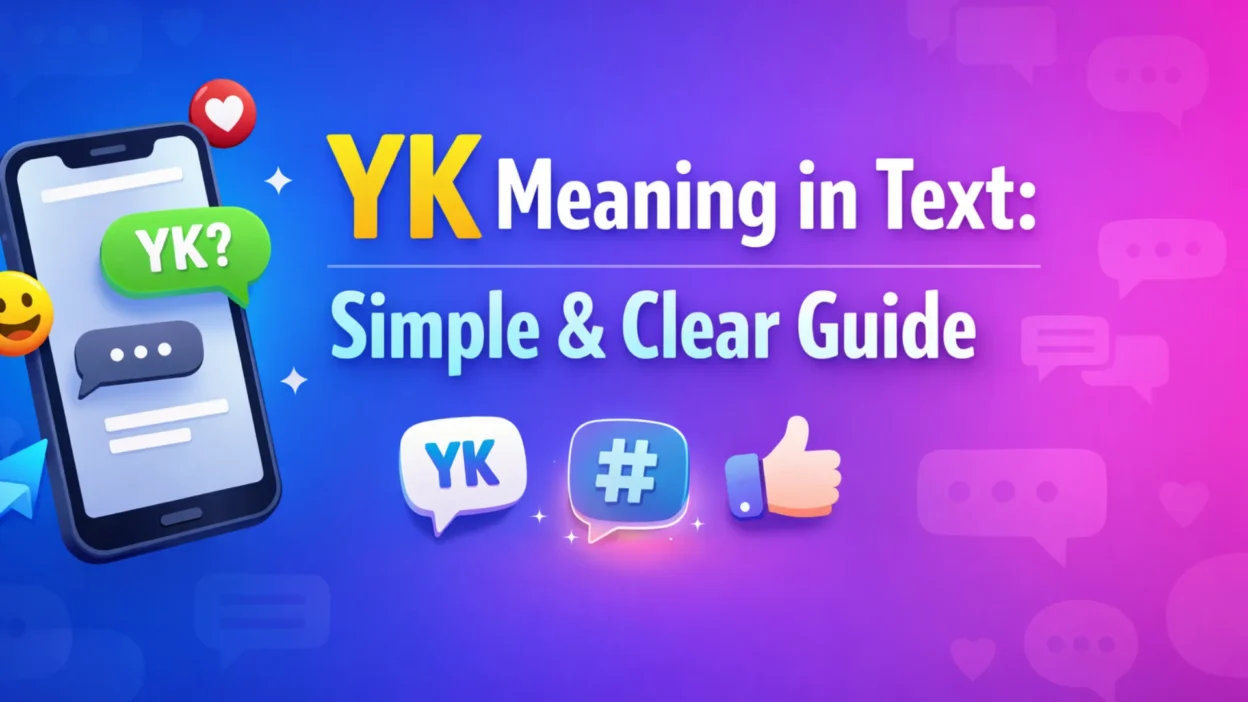
Understanding the YK meaning in text is important for anyone who uses social media or chat apps regularly. In today’s fast-paced digital world, language is constantly evolving. From abbreviations to slang, people are always finding new ways to communicate quickly and efficiently. One such commonly used abbreviation is “YK.” If you’ve ever received a message with “YK” and wondered what it means, you’re not alone.
This comprehensive guide will explain the meaning of YK in text, how it is used, where it comes from, and how you can use it correctly in your own conversations. By the end of this article, you will have a clear understanding of this popular texting term.
What Does YK Meaning in Text Actually Mean?
The abbreviation “YK” most commonly stands for:
👉 “You Know”
It is used in casual conversations, especially in text messages, social media chats, and online discussions. People use “YK” to make their statements more relatable or to imply shared understanding.
Example:
- “It was so awkward, YK?”
- “That feeling when you forget your password, YK.”
In both examples, “YK” replaces “you know,” making the message shorter and more conversational.
Why Do People Use YK?
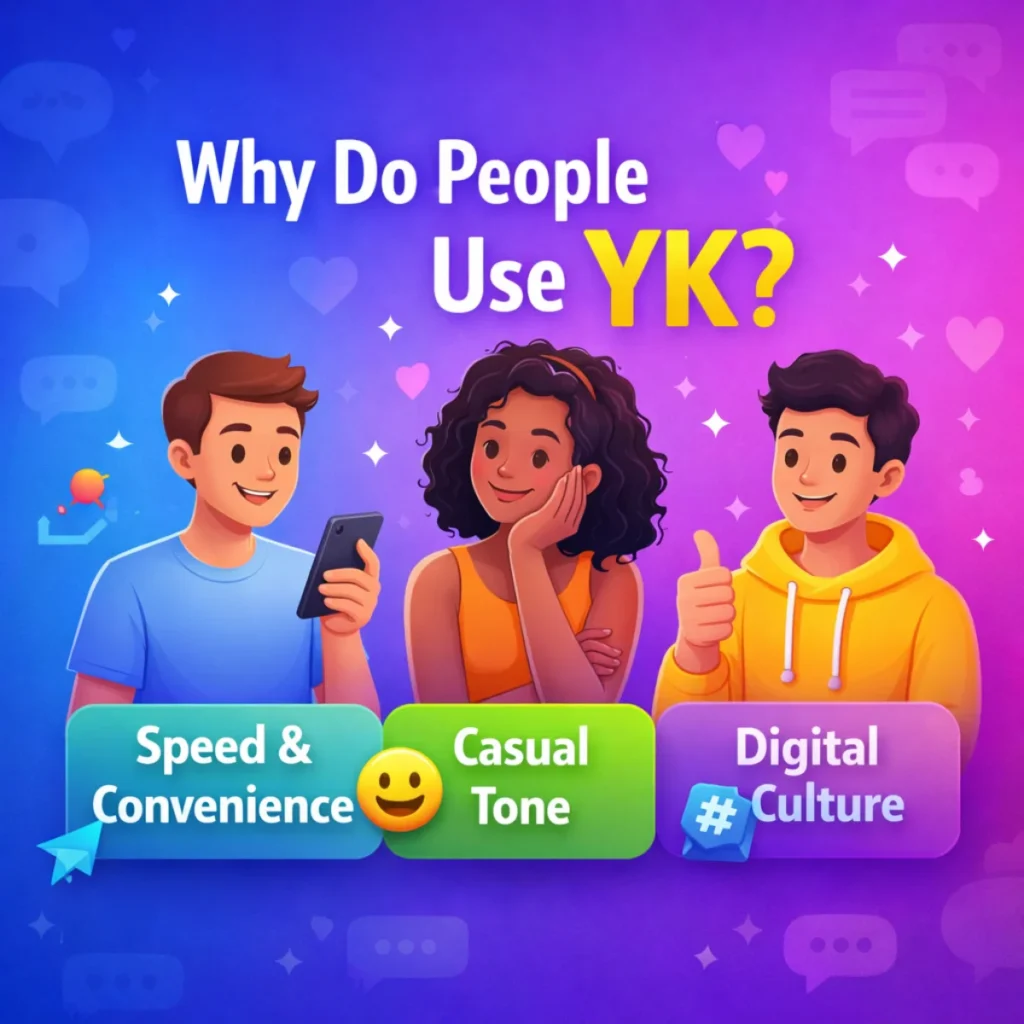
People use abbreviations like “YK” for several reasons:
1. Speed and Convenience
Typing “YK” is faster than writing “you know,” especially on mobile devices.
2. Casual Tone
It creates a relaxed and friendly tone in conversations.
3. Digital Culture
Abbreviations are part of internet culture and help users feel connected to modern communication trends.
Different Meanings of YK
Although “YK” usually means “you know,” it can have other meanings depending on context.
1. You Know (Most Common)
This is the primary meaning used in everyday texting.
2. Young King
In some contexts, especially on social media, “YK” can mean “Young King.” It is often used as a compliment.
Example:
- “Keep grinding, YK 👑”
3. Your Kid
Less commonly, “YK” may refer to “your kid.”
Example:
- “Is YK coming to the event?”
YK Meaning in Different Contexts
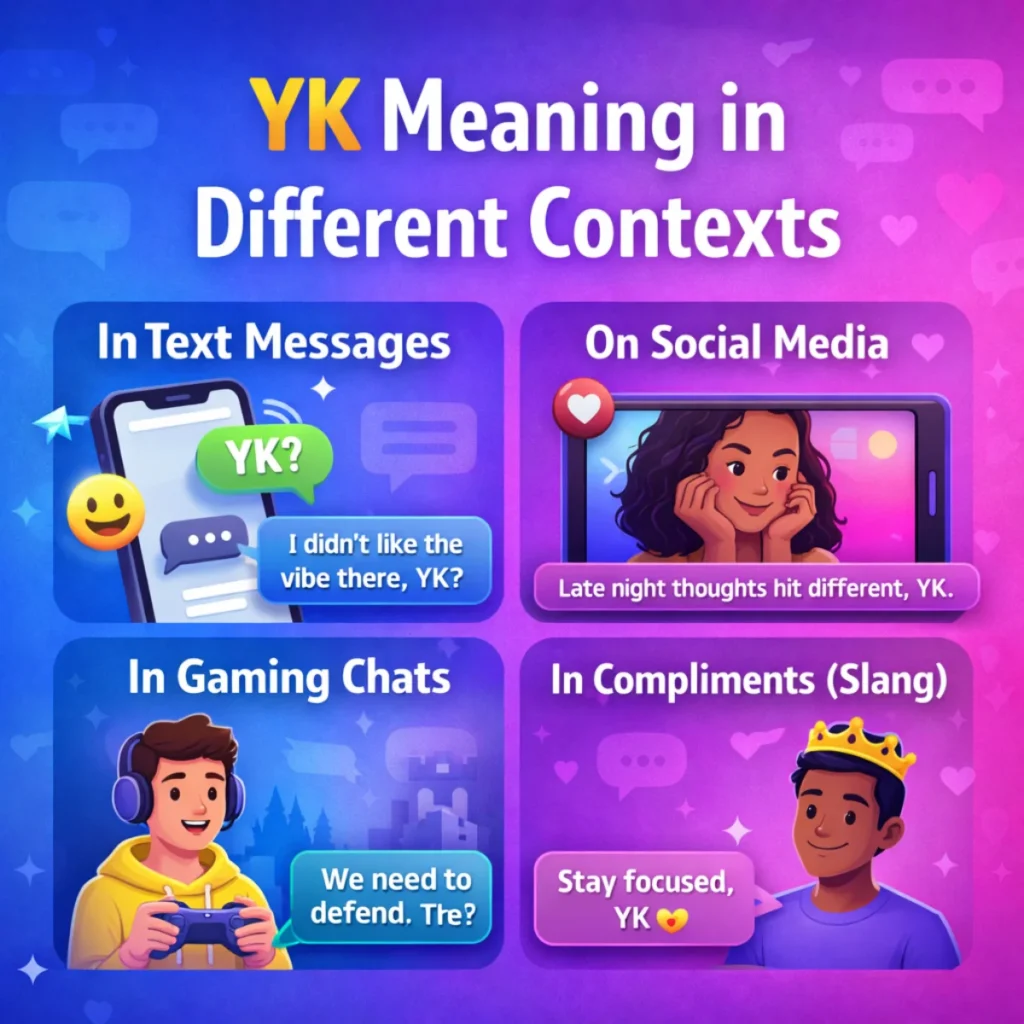
The meaning of “YK” can change depending on where and how it is used. Understanding the context is very important to avoid confusion.
1. In Text Messages
In texting, “YK” almost always means “you know.” It helps keep messages short and natural.
Example:
- “I didn’t like the vibe there, YK?”
2. On Social Media
On platforms like Instagram or Snapchat, “YK” is often used in captions to connect with followers.
Example:
- “Late night thoughts hit different, YK.”
3. In Gaming Chats
Gamers use “YK” to quickly communicate during gameplay.
Example:
- “We need to defend the base, YK!”
4. In Compliments (Slang)
Sometimes, “YK” means “Young King,” especially in motivational or supportive posts.
Example:
- “Stay focused, YK 👑”
How to Use YK in Text Messages
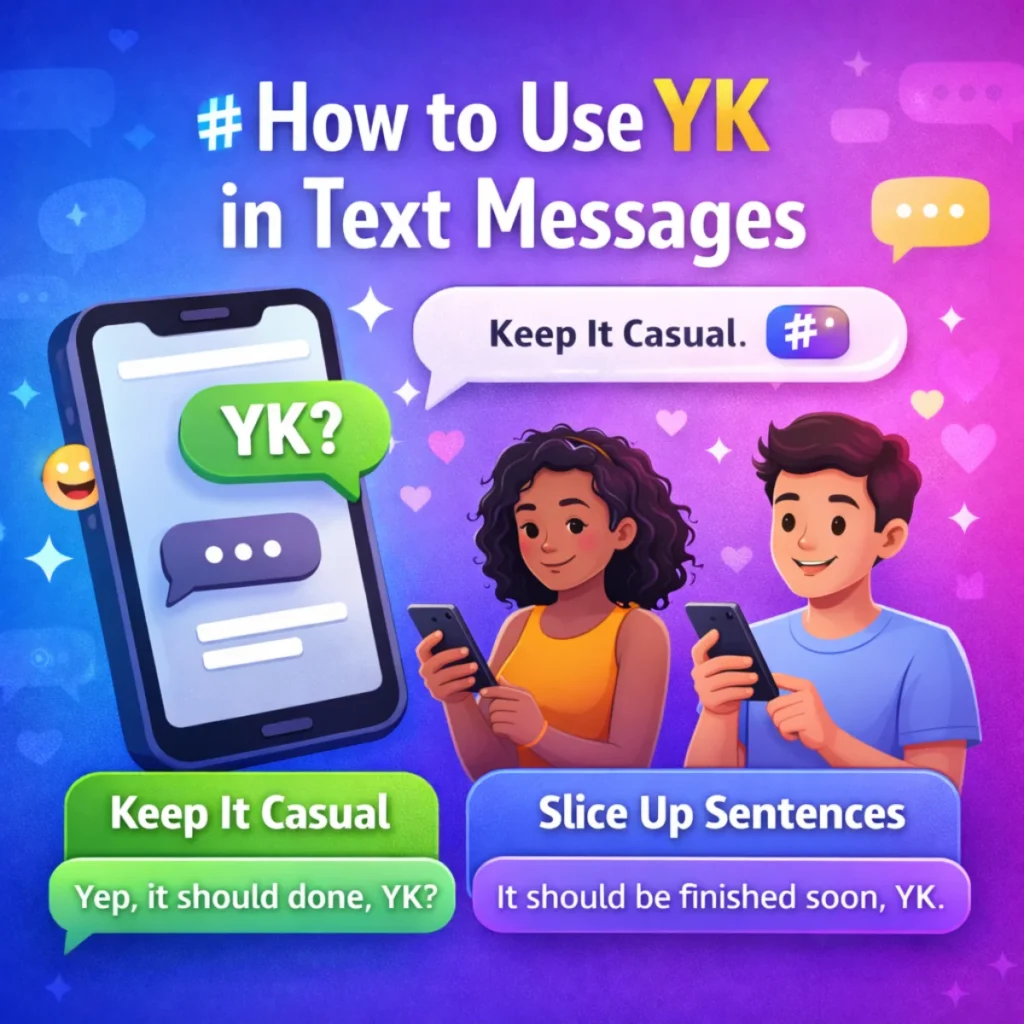
Using “YK” correctly depends on tone and context. Here are some common ways:
Casual Conversations
- “It’s just one of those days, YK?”
- “I was thinking about that movie, YK.”
Emotional Expression
- “That moment when everything clicks, YK.”
Storytelling
- “So I walked in late, YK, and everyone was staring at me.”
When Should You Avoid Using YK?
Even though “YK” is widely used, there are situations where you should avoid it:
1. Formal Writing
Do not use “YK” in:
- Academic essays
- Professional emails
- Business reports
2. Serious Conversations
In sensitive discussions, it may seem too casual.
3. When Clarity Matters
If the reader might misunderstand, write “you know” instead.
YK vs Other Similar Abbreviations
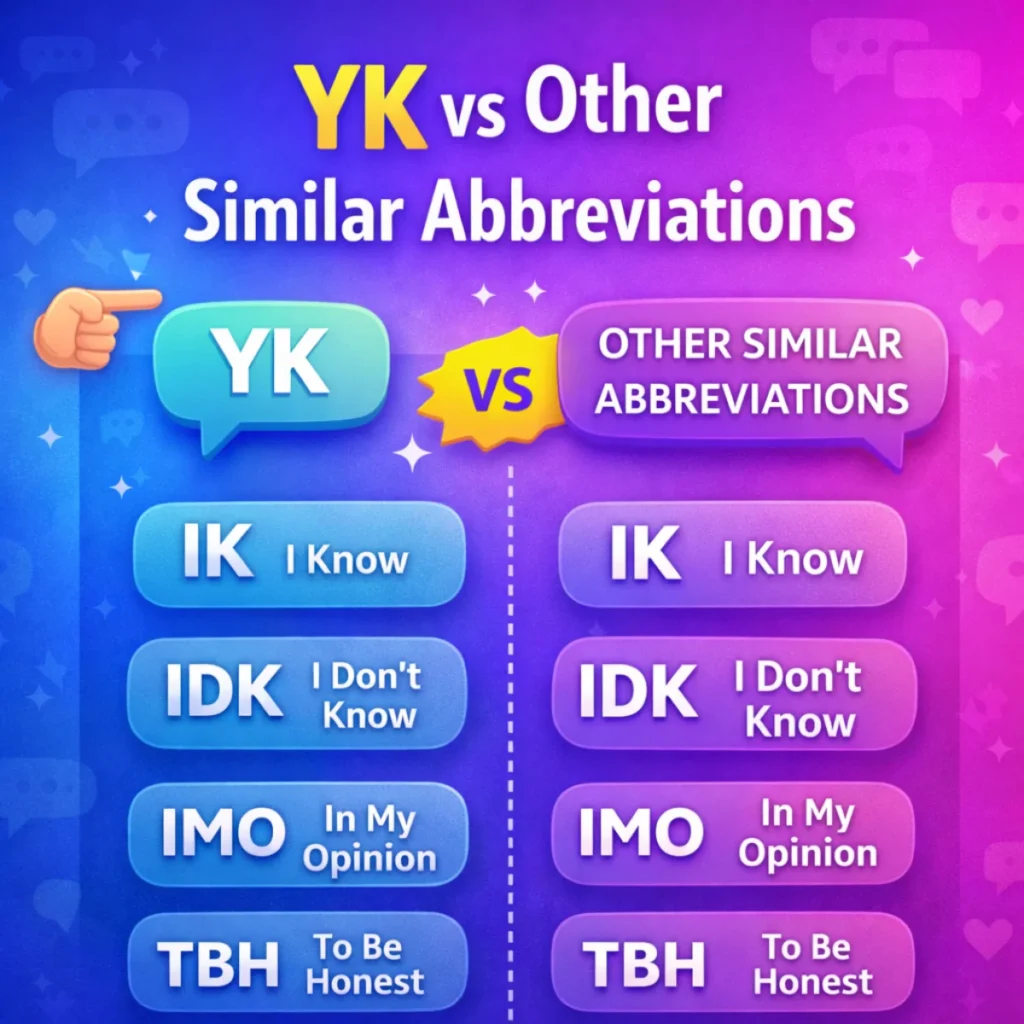
To fully understand “YK,” it helps to compare it with similar slang terms.
1. YK vs IK
- YK = You Know
- IK = I Know
2. YK vs IMO
- IMO = In My Opinion
- YK = You Know
3. YK vs TBH
- TBH = To Be Honest
- YK = Used for relatability
The Rise of Texting Abbreviations
Texting abbreviations like “YK” became popular with the rise of:
- SMS messaging
- Social media platforms
- Chat apps
As character limits and fast communication became important, shorter forms like “YK” gained popularity.
Is YK Used on Social Media?
Yes, “YK” is widely used across platforms such as:
- Snapchat
- Twitter (X)
It is especially common in captions, comments, and direct messages.
Examples of YK in Real-Life Conversations
Here are some realistic examples:
Example 1:
Friend 1: “That exam was so hard, YK?” Friend 2: “Yeah, I didn’t expect that at all.”
Example 2:
Person A: “You get that feeling when you miss someone, YK?” Person B: “All the time.”
Example 3:
Person A: “Life gets confusing sometimes, YK.” Person B: “Totally agree.”
Is YK Popular Among All Age Groups?
“YK” is most popular among:
- Teenagers
- Young adults
- Social media users
Older generations may use it less or prefer full phrases.
How YK Improves Communication
Despite being simple, “YK” can improve communication by:
1. Creating Connection
It makes the reader feel included.
2. Adding Emotion
It adds tone and personality to messages.
3. Making Conversations Natural
It mimics real-life speech patterns.
Common Mistakes When Using YK
Here are some mistakes to avoid:
1. Overusing It
Using “YK” too often can make your text repetitive.
2. Using It in Formal Contexts
It may appear unprofessional.
3. Misunderstanding Context
Always ensure the meaning fits the conversation.
Is YK Formal or Informal?
“YK” is considered an informal abbreviation. It is best suited for casual communication.
Informal Use
- Text messages
- Social media
- Chats with friends
Not Suitable For
- Job applications
- Business emails
- Academic writing
If you are unsure, it is always safer to write the full phrase “you know.”
Tips for Using YK Effectively
- Use it in casual chats only
- Keep your audience in mind
- Combine it naturally in sentences
- Avoid overuse
Future of Texting Slang Like YK
Language continues to evolve. While “YK” is popular today, new abbreviations may replace it over time. However, its simplicity and usefulness mean it will likely remain in use for years.
How to Reply When Someone Says YK
When someone uses “YK” in a message, they are usually trying to relate to you. Here are some natural ways to reply:
Agreeing
- “Yeah, I know exactly what you mean.”
- “Totally, YK!”
Continuing the Conversation
- “YK, that reminds me of something similar.”
- “I get that, it happens a lot.”
Asking for Clarification
- “What do you mean exactly?”
- “Not really, explain?”
Responding properly keeps the conversation flowing and shows understanding.
Related Slang Terms Like YK
If you understand “YK,” you might also come across similar abbreviations in texting:
- IK – I Know
- IDK – I Don’t Know
- IMO – In My Opinion
- TBH – To Be Honest
- FYI – For Your Information
Learning these terms helps you communicate more effectively in digital conversations.
FAQs
1. What does YK mean in texting?
“YK” usually means “you know.”
2. Is YK slang?
Yes, it is considered internet slang used in casual conversations.
3. Can YK have different meanings?
Yes, it can also mean “Young King” or “Your Kid,” depending on context.
4. Is it okay to use YK in professional emails?
No, it is best to avoid using “YK” in formal communication.
5. Why do people use YK?
People use it for convenience, speed, and a casual tone.
6. Is YK widely used?
Yes, especially among younger users and on social media platforms.
7. How do I know what YK means in a sentence?
You can understand its meaning based on the context of the conversation.
8. Can YK replace “you know” completely?
In casual texting, yes. But in formal writing, you should use the full phrase.
By understanding the meaning and proper usage of “YK,” you can confidently use it in your everyday conversations and stay up to date with modern communication trends.
Conclusion
The abbreviation “YK” meaning in text is simple yet powerful. Most commonly, it stands for “you know” and is used to make conversations more relatable and engaging.
Understanding how to use “YK” properly helps you communicate more effectively in casual digital conversations. While it may not be suitable for formal settings, it plays an important role in modern texting culture.

Serhii Dunev is a passionate content creator dedicated to crafting meaningful texts, messages, and word inspirations. He aims to help people express their emotions clearly through simple and impactful words.